
Arrest Warrants in Covington County
An arrest warrant is a court order directing police to take a named person into custody and bring that person before a judge. Alabama Rule of Criminal Procedure 3.1 lets a judge or magistrate issue that process once a complaint or indictment supplies probable cause. A summons can serve instead in some bailable cases. The official Rule 3.1 text spells out the steps. Covington County Circuit Court, part of Alabama’s 22nd Judicial Circuit, handles general-jurisdiction matters. The District Court covers its own docket. Municipal judges and magistrates issue process in city traffic, ordinance, and misdemeanor cases. Whichever bench issued a Covington County arrest warrant stays the key status source. That holds true even after the Sheriff or a city department receives it for service. A public case file can help you locate the matter. Still, Alabama posts no unified public warrant roster. So a Covington County warrant check runs through the issuing clerk, not a statewide list.
Covington County Arrest Warrant Probable Cause
Probable cause is a fair, factual basis for the court to act. It arrives through a sworn complaint or an indictment. It is a legal threshold, not a verdict. In a complaint-based case, the judge or magistrate weighs the supporting facts under the Alabama rule. An indictment can support issuance on its own. Andalusia shows the municipal path in Covington County at its clearest. A complainant first obtains an incident or offense report, completes an affidavit at Municipal Court, and presents it to a magistrate. The magistrate interviews the complainant. If the facts hold up, the warrant issues. The magistrate then files the complaint and warrant with the Andalusia Police Department and states bond plus any special release conditions. That sequence belongs to Andalusia alone, not to every Covington County arrest warrant. Circuit, district, and other municipal cases follow their own authority and record routes. The shared rule is simple: judicial issuance comes before any law-enforcement service.
What a Covington County Arrest Warrant Contains
Alabama Rule 3.2 sets the core warrant fields. The official C-64 Complaint and Warrant form supplies the full blank schema, useful since no public Covington County listing exists. It ties the court and county to the complaint or affidavit, defendant identification, alleged offense, probable-cause basis, oath, issuing authority, and arrest command. Bond or release directions ride along. Service and return details may be added later under Rule 3.3.
| Court and case | The issuing jurisdiction and the ID / YEAR / NUMBER fields used on Alabama forms. |
|---|---|
| Defendant | The person named or a description sufficient for identification. |
| Offense | The alleged charge and applicable legal citation. |
| Probable cause | The complaint, indictment, or supporting basis reviewed by the court. |
| Command | The direction to arrest and bring the person before a judge. |
| Bond or release | Any personal-recognizance, signature, secured, cash, surety, or other court direction. |
| Service return | The officer’s date, manner, and report of execution or nonexecution. |
Never copy personal identifiers from a court record into a public list. Match the fields to your own case. Then verify status with the issuing clerk. The Alabama Open Records Law sets a framework for public inspection and copies, subject to exceptions. A narrow request can seek the complaint, warrant, return, recall, or case action that fits your question. It cannot promise an online copy, or access to sealed, juvenile, youthful-offender, or other restricted material.
Covington County City Arrest Warrant Routes
Municipal arrest warrants belong to the city court that issued them. Florala Municipal Court publishes its clerk and magistrate route, court schedule, address, and payment link. The official Florala court contact gives Covington County readers those details in one place.
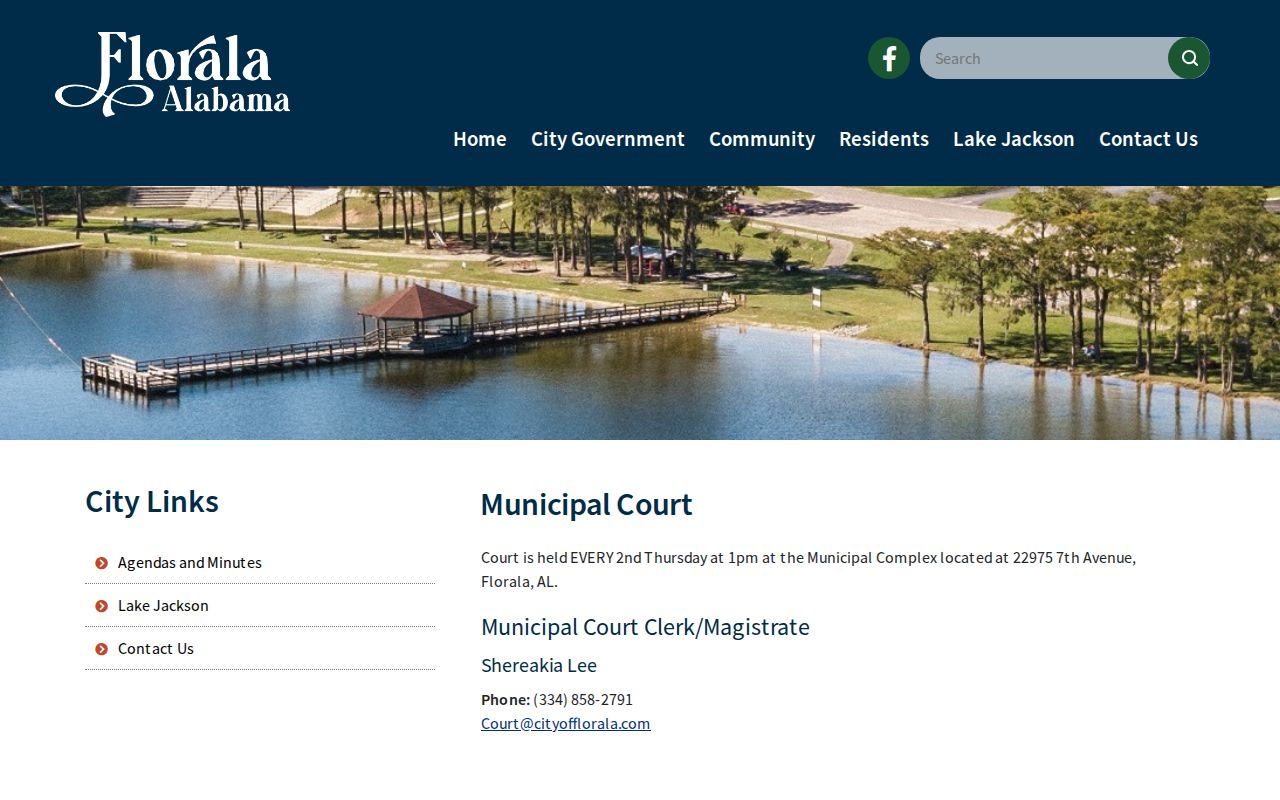
Ask that city court whether Florala process is active, whether appearance is required, and what bond or surrender steps apply. A payment screen cannot answer those questions. The Florala city payment portal opens on a generic Continue page before anything else.
The portal handles eligible city payments only. It is not a searchable arrest-warrant roster for Covington County. Confirm any warrant recall or outcome with Florala Municipal Court at 334-858-2791.
How Covington County Arrest Warrants Are Served
Alabama Rule 3.3 lets any Alabama law-enforcement officer execute an arrest warrant. The officer records how and when service occurred. That return goes to the clerk. Alabama Code §15-10-2 also covers execution authority and notice. Issuance and service stay separate in Covington County: the court issues, an officer arrests, and the clerk maintains the return.
Covington County Sheriff
260 Hillcrest Drive, Andalusia, AL 36420
334-428-2641
The official Sheriff page identifies Civil Affairs service of court papers, but it does not publish a warrant list.
Covington County Jail
290 Hillcrest Drive, Andalusia, AL 36420
334-428-2640
The jail handles custody routing for county and municipal inmates, not judicial recall decisions.
Andalusia Police serves the city process its municipal page describes. Opp Police and River Falls Police are city enforcement routes, while each city court keeps its own record. Call the issuing Covington County court before choosing a service or custody contact.
Covington County Arrest Warrant Service Channels
River Falls, in Covington County, shows the split between a municipal court record and police service. The town’s contact page routes municipal-court business through its public court contact. It also lists a police contact. The River Falls town contact page posts office hours plus both court and police routes, though neither office publishes a live arrest-warrant list.
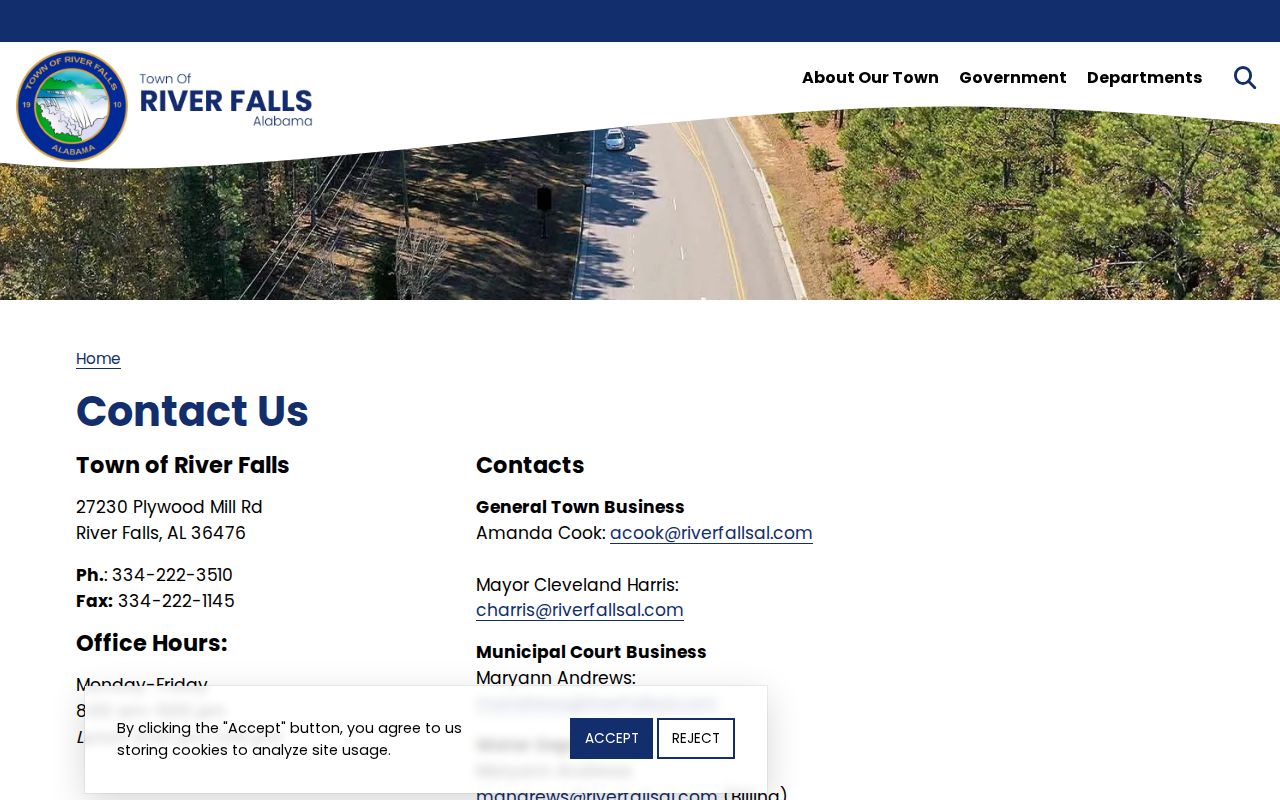
City cases run through the municipal court contact. Ask that office whether process exists and what the next appearance requires. In Covington County, the River Falls Police Department page lists the enforcement contact for service questions.
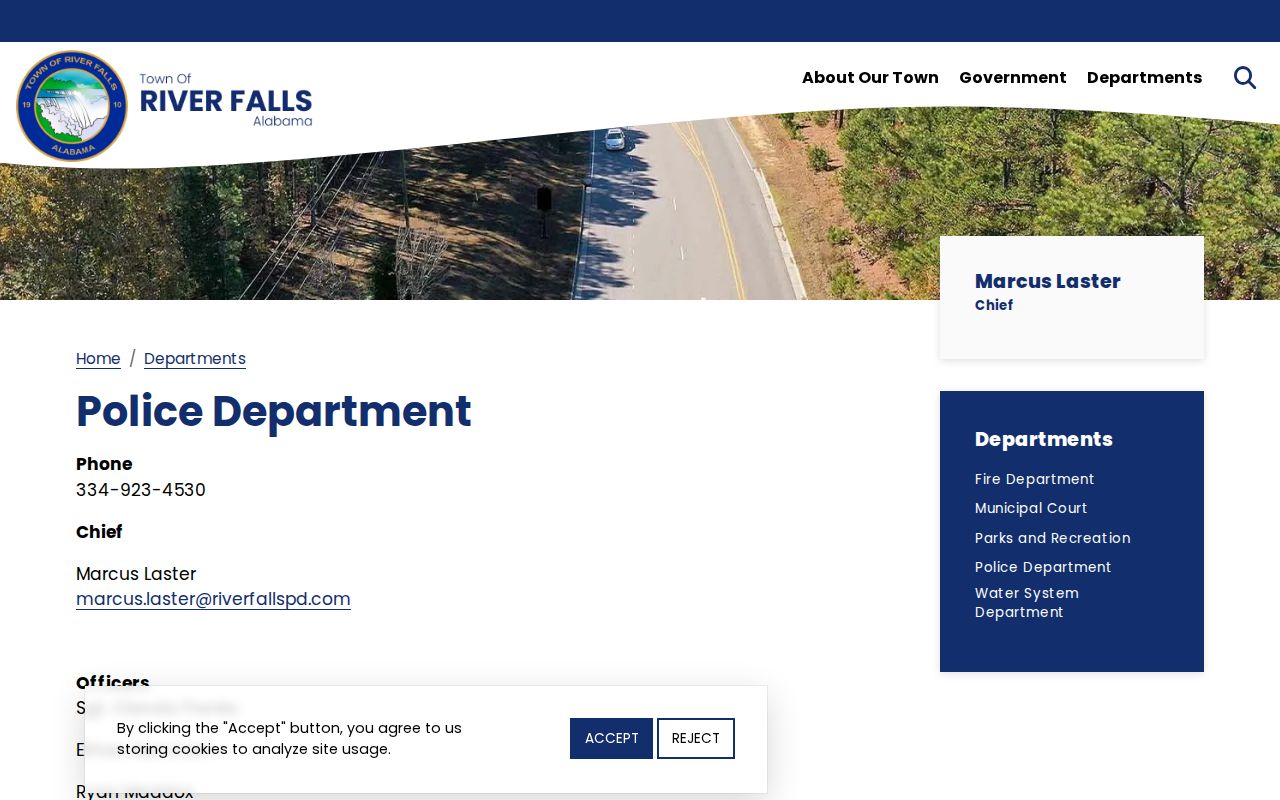
Police in Covington County may execute a valid court command. Only the issuing court can say whether that warrant was recalled or quashed.
Arrest Warrant vs Summons vs Bench Warrant
These papers all lead to court. Yet each one starts differently. A complaint-based arrest warrant allows custody once a judge finds probable cause, while a summons orders an appearance without any arrest command, and a bench or alias warrant usually follows a missed duty in a Covington County case already open. Calling every paper a warrant hides the action the court expects.
| Process | Starting point | Immediate command | Best confirmation |
|---|---|---|---|
| Arrest warrant | Complaint or indictment and probable cause | Arrest and bring before a judge | Issuing court and serving agency |
| Summons | Court chooses an appearance command where allowed | Appear at the stated time | Issuing clerk |
| Bench or alias warrant | Missed appearance or unmet court duty | Arrest and return to court | Court that set the duty |
Alabama's own summons form warns that skipping the date can trigger an arrest warrant. That warning is reason enough to verify a missed summons in Covington County right away.
After a Covington County Arrest Warrant
Once a Covington County warrant is executed, Alabama Rule of Criminal Procedure 4.3 governs release and prompt appearance. The rule allows release on bond, personal recognizance, or signature when conditions are met. Otherwise it calls for prompt presentation to a judge. A 72-hour limit applies where its terms reach. The framework sets no guaranteed release time or standard Covington County bond. The judge sets or reviews the terms. The jail carries them out. The clerk keeps the official court record of the case. Each role stays distinct. A defense attorney can address the charge, seek bond review, and file any motion. Anyone released on a Covington County warrant should get the next date, read every condition, keep bond or release papers, and appear at each setting. Skip the new date and forfeiture or further process may follow under Alabama's bail appearance statute.
What to Do If There's a Warrant for You
Confirm the court and status first. For circuit or district matters, call the Covington County Circuit Clerk at 334-428-2520. City process goes to that municipal court. The Covington County Sheriff routes service questions, and the jail answers custody routing, but neither office can grant a judicial recall.
- Gather the court name, case number, notice, charge, and any stated bond information.
- Ask the issuing clerk whether the Covington County arrest warrant is active and where surrender occurs.
- Speak with an attorney about surrender, recall, bond, and the underlying charge.
- Confirm the approved location, hours, identification, release terms, and transport plan before appearing.
- Keep every receipt, bond paper, release order, court date, and filed confirmation.
Act carefully: Do not approach law enforcement without confirming the issuing court, surrender site, bond instructions, and access to legal advice.
Covington County posts no county-wide bond schedule or walk-in surrender hours. The broader Covington County warrant records route helps sort court, sheriff, and municipal contacts.
Federal Arrest Warrants from Covington County
A federal arrest warrant travels its own track. It runs under Federal Rule of Criminal Procedure 4, not state process. Covington County falls in the Northern Division. That division belongs to the U.S. District Court for the Middle District of Alabama. The federal route may involve the Middle District court, PACER for docket context, and the U.S. Marshals Service. Just One Look, a municipal payment portal, and the Covington County Circuit Clerk cannot substitute for the federal clerk or federal counsel. The official federal courthouse page gives the Montgomery court route. The Marshals' district page documents enforcement but posts no Covington County public roster. A docket entry may not show an active warrant. Confirm through the federal court or your counsel. State and city officers serve Alabama process under state authority. Federal officers act under federal process. Keep the systems apart. That habit keeps you from paying the wrong court or asking a municipal clerk to change a federal order.